An accessible environment is everyone's right
Accessibility is not only about ramps. It means everyone can use buildings, streets and public spaces, transport, information, services and the digital world independently, safely and without barriers. We have worked on this issue since our organization was founded.
Choose a topic to read more
Select a row to see an explanation of the topic, numbered points, images and related materials.
Four dimensions of accessibility
Accessibility is not limited to ramps
Physical environment
Buildings, entrances, ramps, doors, toilets and routes for moving around. Spaces that everyone can enter, move around in and leave.
Information and communication
Clear language, visible signage, and the option to get information through sound and images. Information should reach people in several ways, not just one.
Services and attitudes
Respectful communication, the support people need, and service free from discrimination. Staff should know how to help.
Digital accessibility
Making websites usable with a keyboard, making text stand out clearly from its background, adding descriptions to images, and adapting sites for mobile phones. This way, people who use assistive technology can also use online services.
Six requirements for the built environment
Planning for accessibility along the whole route
When planning an environment, consider the whole route a person travels, from start to finish. Plan not only the entrance but also getting there, moving around inside, information and services, all together.
- Getting there
- Entrance
- Moving inside
- Services
01
Getting there and parking
The route from public streets and parking to the building entrance should be free of barriers and safe.
02
Entrances and ramps
The ramp's dimensions, surface, handrails and turning space should suit the people who use it.
03
Doors and moving inside
Doors, corridors, thresholds and passage widths should be usable by wheelchair users and people who use mobility aids.
04
Stairs, elevators and moving between levels
There should be a safe, clear and usable way to move between floors and levels.
05
Toilets
Space to enter, turn and transfer, and grab bars, should meet users' needs.
06
Signage and information
Signs, wayfinding, lighting, color contrast, and audio and visual information should be clear.
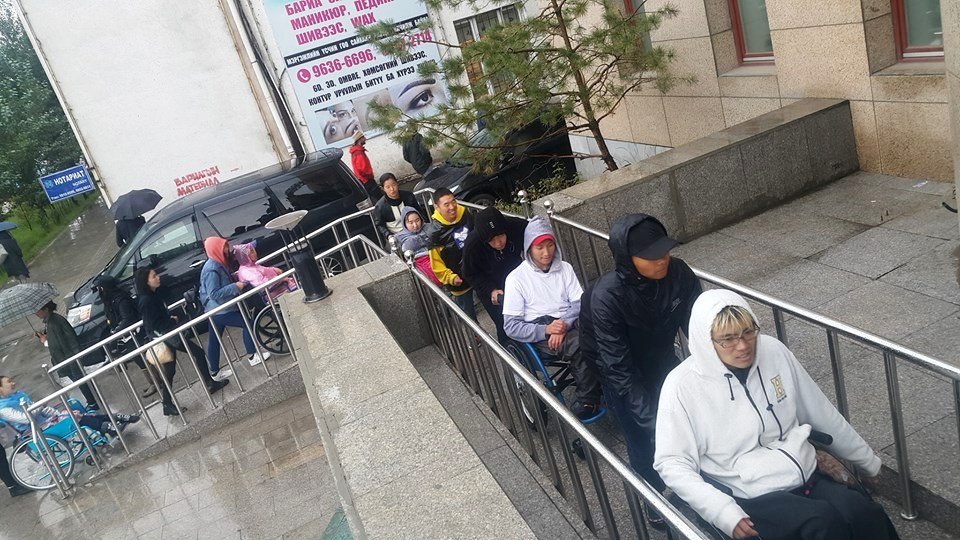
Barriers in public spaces: participants helping a wheelchair user down a flight of stairs
Eight questions to check your surroundings
Questions to help you take a quick look at your own building and service spaces. You do not need to write down your answers.
- Is the route to the entrance free of barriers? The route from public streets and parking to the building entrance should have no thresholds, steps or obstacles, and its surface should be even and safe (Requirement 1).
- Is the ramp safe, and does it have handrails? The ramp's dimensions, non-slip surface, handrails and turning space should suit the people who use it (Requirement 2).
- Are doors and corridors wide enough? Doors, corridors, thresholds and passage widths should be usable by wheelchair users and people who use mobility aids (Requirement 3).
- Is there an accessible way to move between floors? Stairs, elevators and movement between levels should be safe, clear and usable (Requirement 4).
- Can the toilet be used independently? Space to enter, turn and transfer, and grab bars, should meet users' needs (Requirement 5).
- Is the signage easy to see and understand? Signs, wayfinding, lighting and color contrast should be clear (Requirement 6).
- Is there another way to see or hear the information? Clear language, visible signage, and ways to get information through sound and images should be available (accessibility of information and communication).
- Do staff know what support people need? Respectful communication, the support people need, and service free from discrimination (accessibility of services and attitudes).
This list is general information and does not replace a professional opinion or an official assessment.
Our work and experience
How do we work in this area?
Advocacy and policy
We bring the voices of persons with disabilities into how laws, policies and standards are implemented, and we promote solutions that are accessible to everyone.
Research and evidence
We study real conditions in the environment and the barriers people face, and use evidence to identify what needs to improve. Our research reports are open to the public.
Guidance and information
We provide information and advice to individuals and organizations on what accessibility means, the key requirements of the standards, and practical solutions.
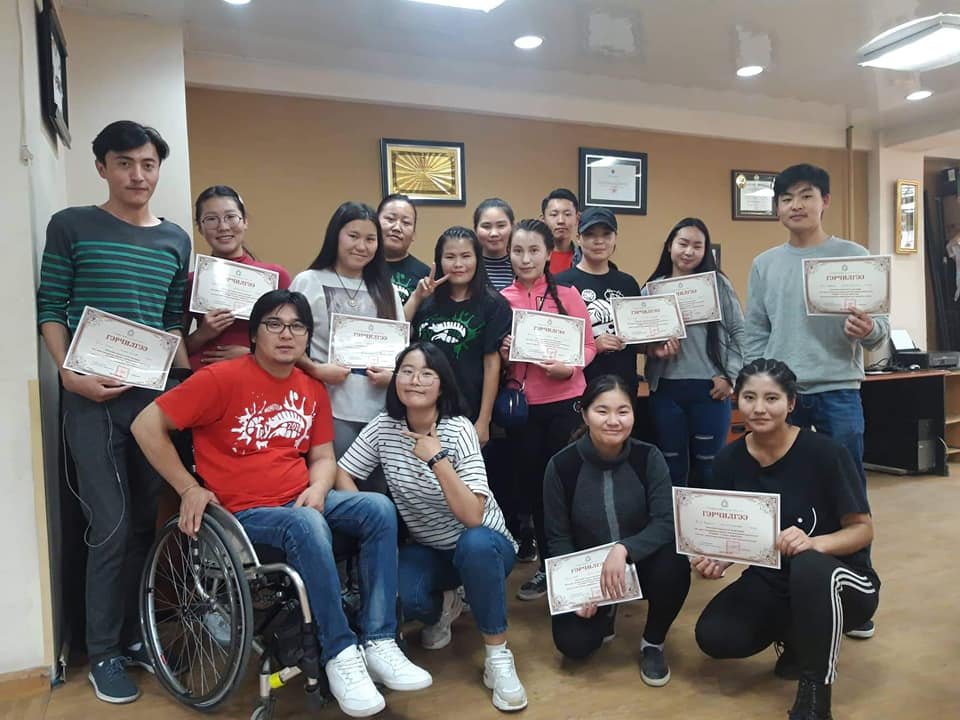
Graduates of our training
What we have done for accessibility
- 2009 Took part in the approval of the MNS 6055:2009 standard by providing comments.
- 2014 Organized the “Accessible Public Transport for All” advocacy march.
- 2016 Assessed the accessibility of 168 public transport stops in Ulaanbaatar as part of a JICA project.
- 2018 Assessed the accessibility of government agencies in the labor and social protection sector.
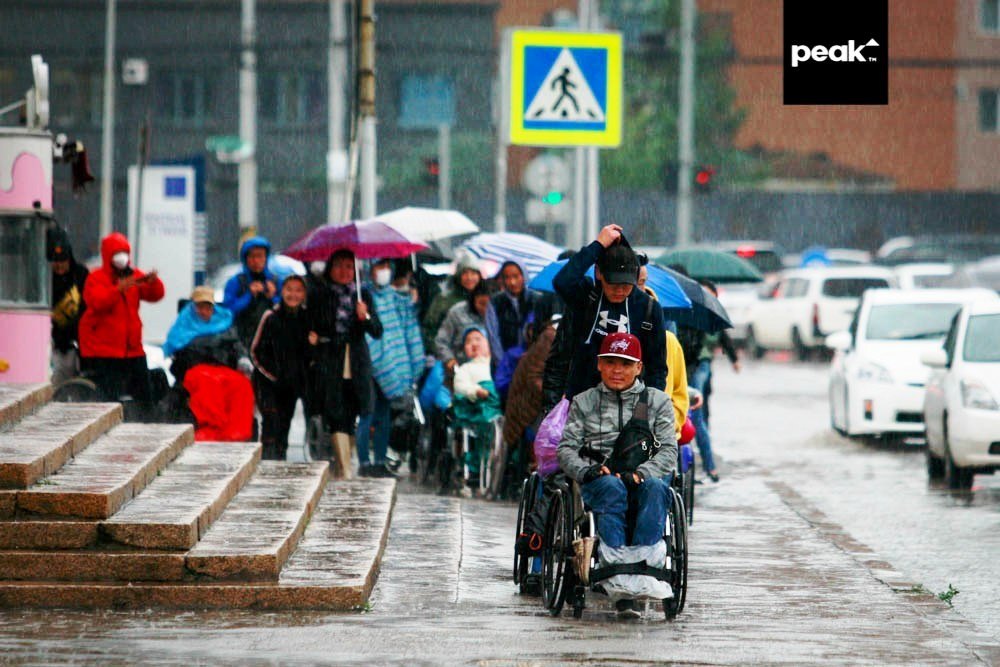
- 2019 Assessed 97 pedestrian crossings and 8071 meters of sidewalk in preparation for the CBID Congress.
Related materials
Videos, research reports, news and guidance pages.
Video (in Mongolian)
We need accessible buses
Accessible public transport matters to everyone.
Sidewalk accessibility assessment carried out in preparation for the CBID 2019 Congress
2019. Persons with disabilities took part in person in an assessment of 97 pedestrian crossings and 8071 meters of sidewalk, which made recommendations for repairs.
Experience in assessing infrastructure and accessible environments
2011–2018. A list of accessibility assessments, design projects and training activities, and our experience with the MNS 6055:2009 standard.
News
We published a simplified guide to the accessibility standards
A guide that explains toilets, ramps, door widths and more in simple words and pictures.
News
Standards-based accessibility assessments and advice for organizations, on request
Our assessment team gave advice to a company that planned to make its office accessible.
Guidance
Accessible Infrastructure and Buildings
Video lessons and guidance pages on accessibility requirements and solutions.
Do you have a question about accessibility?
Send us your suggestions or questions about the accessibility of places, services or information.